If you are behind on lot rent, the most useful thing you can do in the next hour is find out exactly which day of which process you are on. Not roughly. Exactly.
Manufactured home lot tenancies in Texas are governed by their own chapter of the Property Code, Chapter 94, separate from ordinary residential tenancies. It applies where a landlord leases property in a manufactured home community to a tenant for the purpose of situating a manufactured home on that property. If you rent the home itself from the community rather than renting the lot, Chapter 94 expressly does not apply to you, and you are in a different framework.
This article is a timeline, not a defense manual. If you intend to contest an eviction, our guide on fighting an eviction in a Texas mobile home community covers that side, and legal aid is listed at the end.
The nonpayment clock: ten days from receipt
Section 94.206 sets out the nonpayment path, and it has three elements that all have to be present:
- The tenant fails to timely pay rent or other amounts due under the lease that in the aggregate equal the amount of at least one month’s rent;
- The landlord notifies the tenant in writing that the payment is delinquent; and
- The tenant has not tendered the delinquent payment in full to the landlord before the tenth day after the date the tenant receives the notice.
Three practical points follow.
The threshold is at least one month’s rent, in the aggregate. Small amounts add up across late fees and utility charges, so "I only missed one payment" is not always the whole picture. Ask for a written ledger.
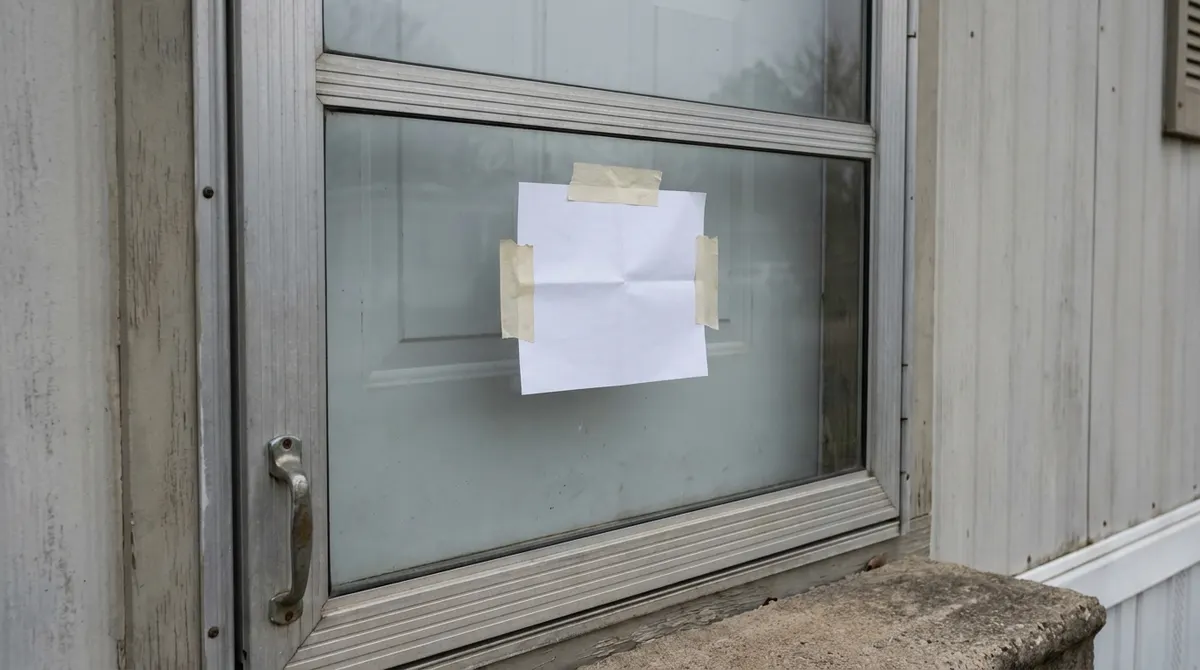
The clock runs from receipt of the written notice, not from the due date. Until you receive that written notice, the ten days have not started. Date-stamp everything, keep the envelope, and photograph a notice taped to the door.
In full. Tendering part of it does not stop the clock under this section. If you can only raise part, say so in writing and ask the community, in writing, whether they will accept a payment arrangement. Some will. Get any agreement in writing.
What the community still has to do after day ten
Missing the cure deadline is serious. It is not the end of the process.
Section 94.203 requires that a landlord may prevent a tenant from entering the lot, evict a tenant, or require removal of the home only after obtaining a writ of possession under Chapter 24. Self-help is not available to them. Changing locks on your home, blocking the lot, or towing the home without a writ is not the process the statute describes.
The same section carries several protections worth knowing about. If the tenant disclosed a lienholder, the landlord has to notify that lienholder in writing shortly after filing for possession. A court may not issue a writ of possession in favor of the landlord before the thirtieth day after judgment if the tenant has paid the rent due for that thirty-day period. The court sends copies of the judgment to the tenant, and to any disclosed lienholder or home owner. And if the landlord removes the home after executing a writ, the landlord must notify the tenant and the owner of where the home was taken, within ten days.
That thirty-day provision is the one most people have never heard of, and in practice it is the window where a sale can still happen.
The other Chapter 94 clocks
Lot rent is not the only way a tenancy ends, and the other paths run on much longer notice.
Nonrenewal at the end of a term. Section 94.055 requires the landlord to give either a notice to vacate or an offer to renew not later than the sixtieth day before the current lease term expires, or sixty days before intended termination on a month-to-month. A renewal offer has to state the proposed rent and any change in terms, and tell you that failing to reject it within the stated window results in renewal on those terms. Read those letters. A large rent increase arrives as a renewal offer, not as a notice.
Lease term. Section 94.052 requires the landlord to offer an initial lease term of at least six months, though the parties may agree otherwise at the tenant’s request, and requires at least sixty days written notice of nonrenewal.
The land use change. Section 94.204 is the one that matters in fast-growing parts of Central Texas. A landlord may decline to renew a lease in order to change land use only if, not later than the 180th day before the date the land use will change, the landlord sends notice to the tenant, to the home owner if different, and to any lienholder whose name and address the landlord has in writing, specifying the date of the change and informing them the home must be relocated, and posts conspicuous notice in the community.
That 180 day provision is the early warning system for a park closure. If you are in southeast Austin near the SH 130 and Del Valle development corridor, or anywhere land values are climbing fast, that notice is the thing to watch for. Our post on what happens when a Texas park is sold or closing goes further into that scenario.
Where selling fits
Here is the part most articles about lot rent leave out.
You still own the home. Being behind on rent for the lot does not transfer ownership of the structure to the community, and Section 94.252 still says you may sell a home located on the leased premises if the purchaser is approved in writing by the landlord and a lease agreement is signed by the purchaser. The same section says that, absent your written agreement, the landlord may not require you to use them as agent or broker or to pay them a commission from the sale.
What being behind does change is the arithmetic. Arrears are generally cleared at or before transfer, which comes off your proceeds, and a buyer is going to need the community to approve them, which a community is more motivated to do when the lot’s back rent gets paid in the process.
Two honest observations from doing these.
Earlier is worth real money. A sale negotiated while you are two months behind is a different transaction from one negotiated the week of a writ. Arrears grow, options shrink, and the price reflects it.
Abandoning it is the worst outcome available. People do it because they feel they have run out of road. It leaves the debt, leaves the title in your name, and gives away whatever the home was worth. Even a low offer beats that, and so does a conversation with the community.
Behind on Lot Rent? Know What Day You Are On.
Send us your notice and your lot number. We will tell you where you are in the timeline and whether selling is still open to you.
Get My Cash Offer →What to do today
- Find the written notice and date it. If you have not received written notice of delinquency, the ten-day nonpayment clock in 94.206 has not started.
- Get the ledger. Ask the community in writing for an itemized statement of what is owed and how it was calculated.
- Read your lease. Term, renewal, late fees, transfer provisions, condition standards.
- Ask about a payment arrangement, in writing. The worst answer is no.
- Find out what the home is worth. Not as a decision, as information. It tells you whether selling is a real option.
- Get help if you are being pushed toward a hearing. TexasLawHelp’s page on manufactured home communities and eviction is a good starting point, and Texas has legal aid organizations that handle these.
If selling is the right move
We buy manufactured homes in communities across Central Texas with rent arrears on them, and we coordinate the payoff of those arrears with the community as part of closing. That is a normal transaction for us rather than a complication. We work throughout the region including Austin, San Marcos, Killeen and San Antonio.
If you would rather understand the offer before you pick up the phone, our post on how a cash offer is calculated shows exactly where arrears and lot rent land in the math.
Selling Is Often Still on the Table
We buy homes in Central Texas communities with arrears on them and settle what is owed at closing where the community allows it.
Get My Cash Offer →This article summarizes provisions of the Texas Property Code for general information. It is not legal advice, statutes and procedures change, and the outcome of any eviction depends on the specific facts and the court. If you are facing eviction, contact a Texas attorney or a legal aid organization.
Sources: Texas Property Code Chapter 94, Manufactured Home Tenancies; Texas Property Code Chapter 24, Forcible Entry and Detainer; TexasLawHelp, Manufactured Home Communities and Eviction