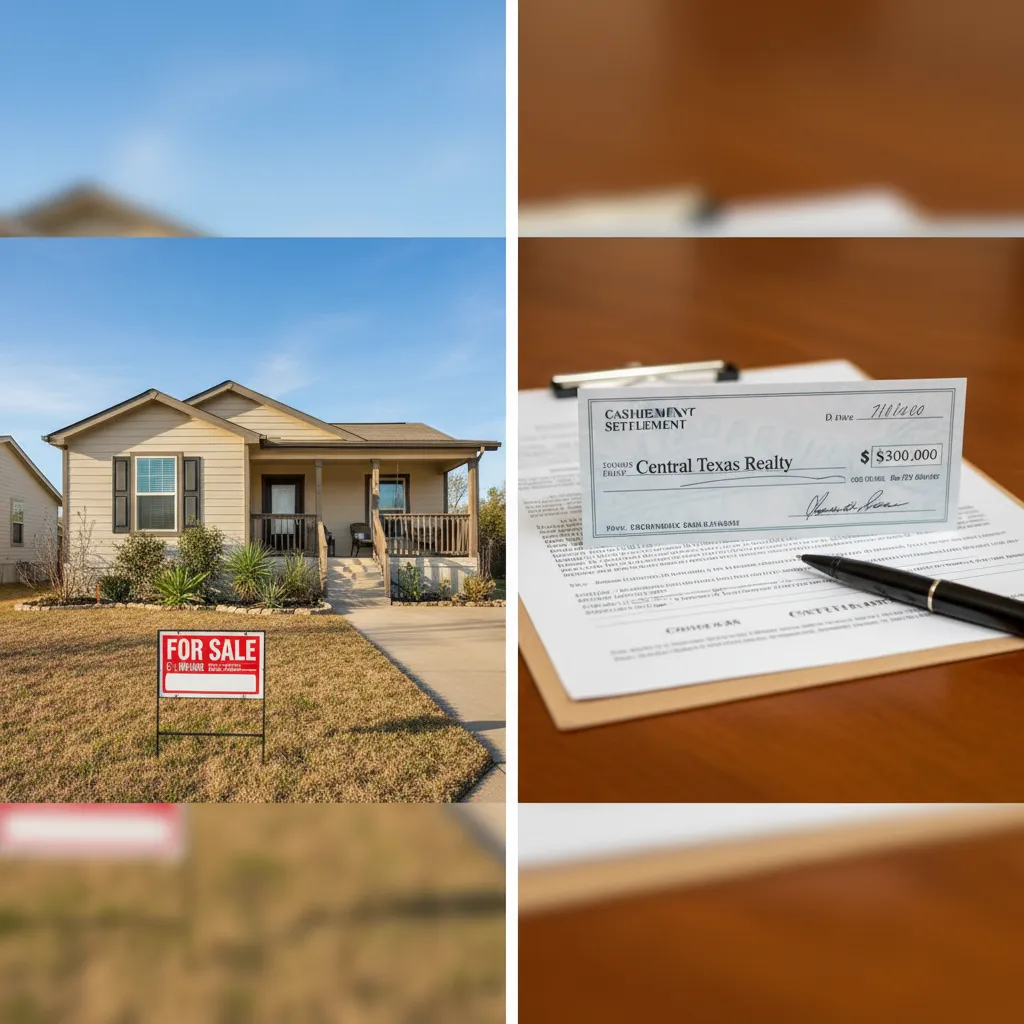
When we buy your home, we pay you at closing, by cashier's check, by wire to your bank account or by a check sent by certified mail. When someone else is buying your home, we send your money once theirs has arrived or cleared, usually within one to two business days of closing and sometimes the same day.
In the past year, seven sellers asked us when and how they'd be paid, and four texted to ask where their money was. One asked:
"Will the fund be released tonight or tomorrow?"
The three ways we pay you
Cashier's check. The check is made out to you. If you'd like to meet in person, we usually meet at your own bank, so you can cash or deposit it on the spot. A cashier's check can carry a bank fee.
Wire. The money goes straight into your bank account, and it's the fastest of the three. Once we send a wire, it usually arrives within hours. Our bank may charge a fee to send it, and your bank may charge one to receive it. Both come out of the money sent, so call your bank before closing and ask what it charges for an incoming wire.
Check by certified mail. We mail you a check by certified mail with tracking, and you sign for it when it arrives. There's no bank fee, but it usually takes three to seven business days to reach you.
Ask us which fees apply to the way you pick, and we'll show them in your numbers before closing.
When the money arrives
When we're the buyer, you're paid at closing. One seller told us, "In a usual closing, I would sign my documents and then get the funds at the same time." That's how it goes when we're buying.
When someone else is buying your home, for example after we've listed it for you, there's one more step. We wait until the buyer's money is actually in, meaning their wire has arrived or their cashier's check has cleared. Then we pay you, usually within one to two business days of closing and sometimes the same day. If the buyer has a loan, the lender sends the money, and that can take about three days after the lender gets the signed papers.
Getting a wire right the first time
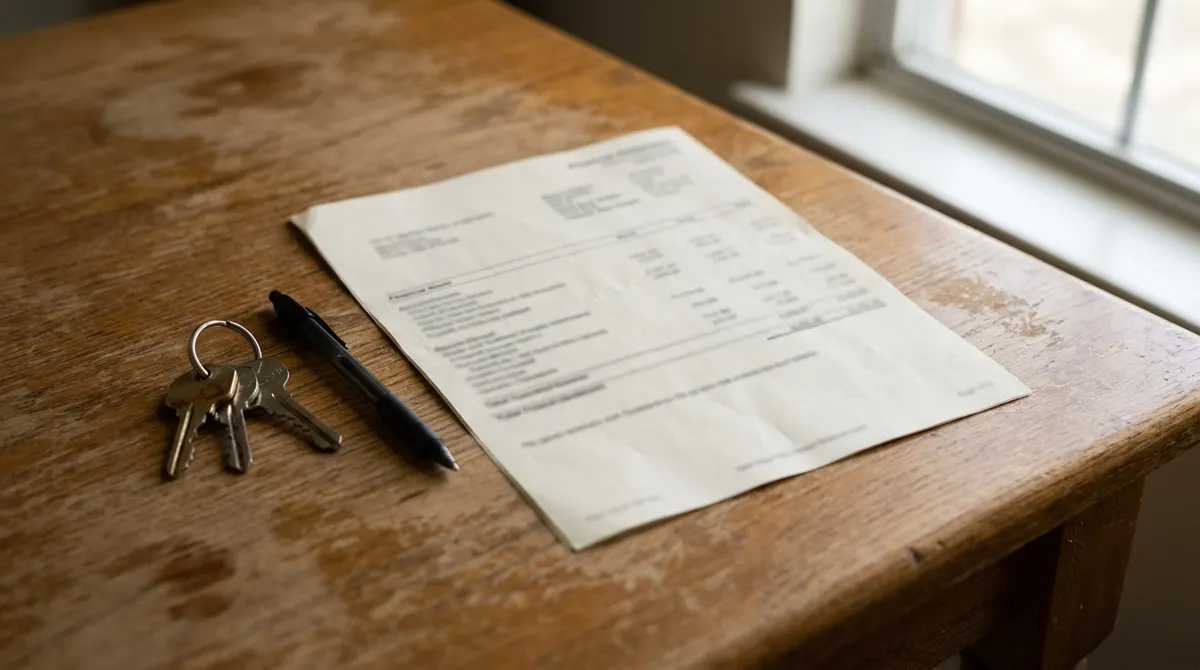
Before closing, we send you a short payment form. You choose how you want to be paid, and for a wire you add your bank details and a voided check, or a letter or statement from your bank that shows the account. A mistake on the form can get a wire rejected or sent to the wrong account, so check two things:
- Write the account holder's name exactly as it's printed on the account.
- Ask your bank for its wire routing number. A bank's wire routing number is sometimes different from the one it uses for direct deposits.
The form is a printable PDF. If it won't let you type into it, print it and fill it in by hand.
We never change bank instructions by email
Our payment form has a wire fraud warning in its own box. It says we will never change where your money goes because of an email. If you get an email, a text or a call asking you to change the account or routing number on your form, no matter who it seems to come from, stop and call Ivan Mills directly at 737-214-0172 before you do anything.
The same rule covers us. A change to your bank details has to be made on a new, signed copy of the form, so an email from someone pretending to be you isn't enough to change where we send your money.
Get an offer on your home
Tell us about your home, and we'll text you back. When it's time to close, we'll go over how you'd like to be paid.
Get My Cash OfferPrices, fees and park rules change over time. This article is for general education only. We aren't lawyers, accountants or financial advisors, and nothing here is legal, tax or financial advice of any kind.