Before a sold home can leave a park, three things usually have to be settled with the park: the written notice it asks for, a mover it will accept, and what stays behind on the lot, like a shed or a carport. Settle all three early. Together they set the move date, and you usually keep paying the lot rent until the home is gone.
"I need to give them notice that I'm removing it"
One seller wrote that to us. Another wasn't sure: "Are they saying that I need to give notice?" In the past year, 3 sellers in parks asked us whether they had to give the park notice before their home was moved out.
The notice: find out how many days, then plan the date
In the move-outs we've handled, parks asked for 30 or 60 days' notice before the home left. Ask the office for its number as soon as you know the home is going to be moved, so the date you agree with your buyer allows for it.
The notice can add time you didn't plan on. One park told a buyer to wait a set number of days after the seller's notice before moving the home, and we suggested asking the park for a faster move-out. Another park's paperwork was the same whether a home was being sold or moved out. There, we said paying the extra lot rent might be the easier way through.
Send the notice once your buyer has signed and paid any deposit, not before, because a sale can still fall through before closing.
The mover the park will accept
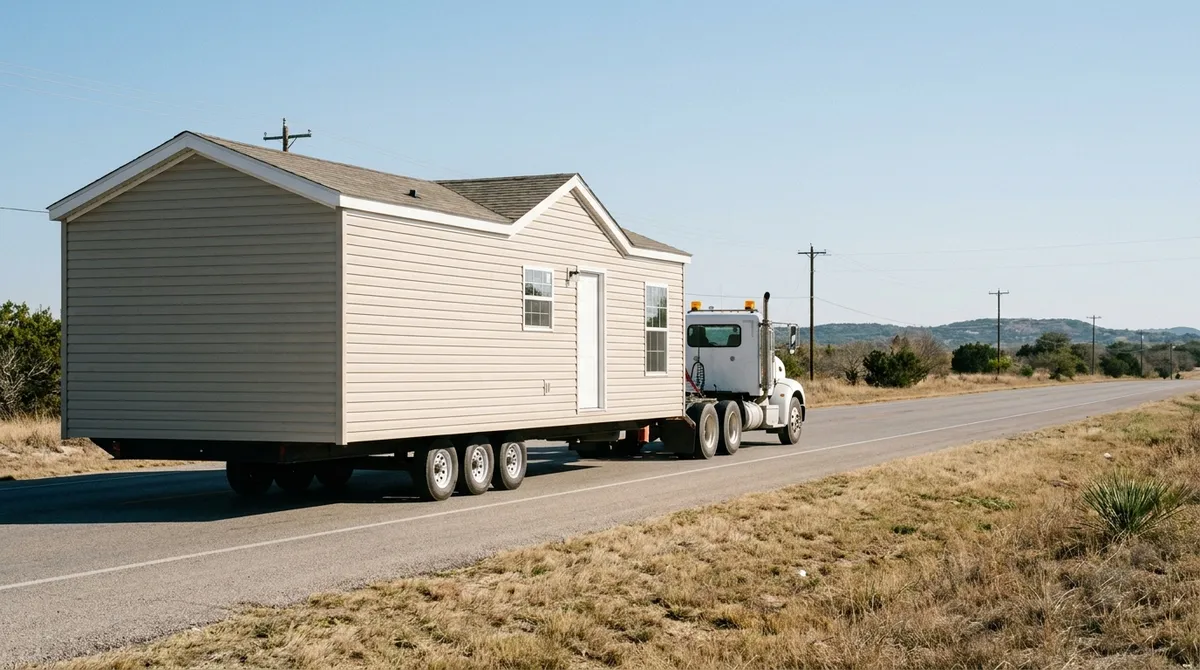
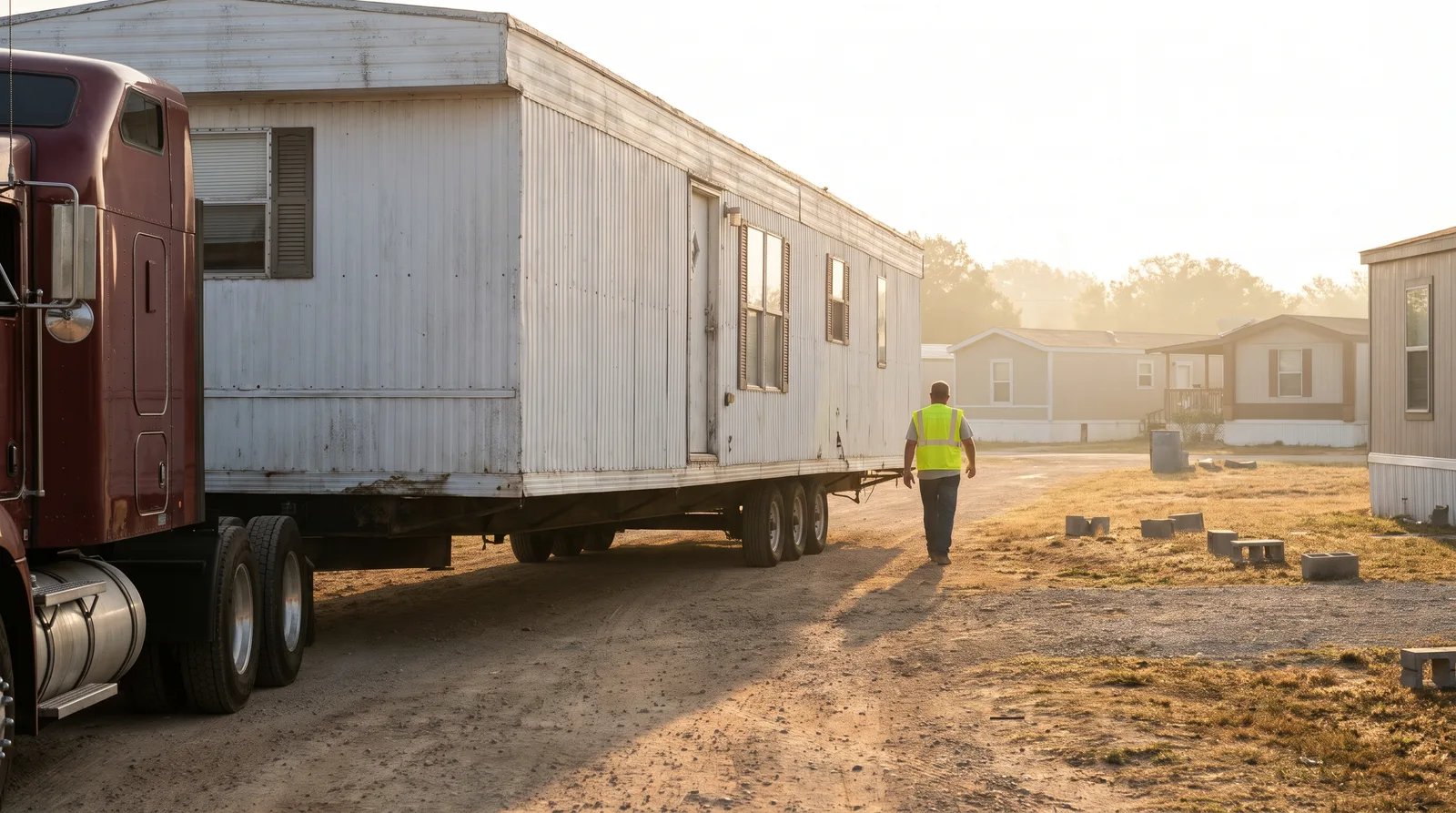
The parks we've dealt with wanted the home moved by a licensed, bonded and insured mover. If the park hands you a list of movers it likes, ask whether a licensed, bonded and insured mover your buyer chooses will do, since that's the standard parks have asked of us.
Some parks also ask for a refundable deposit before the move. In one sale, the park had the buyer's mover put down the deposit, and we told the seller that part was between the park and the buyer.
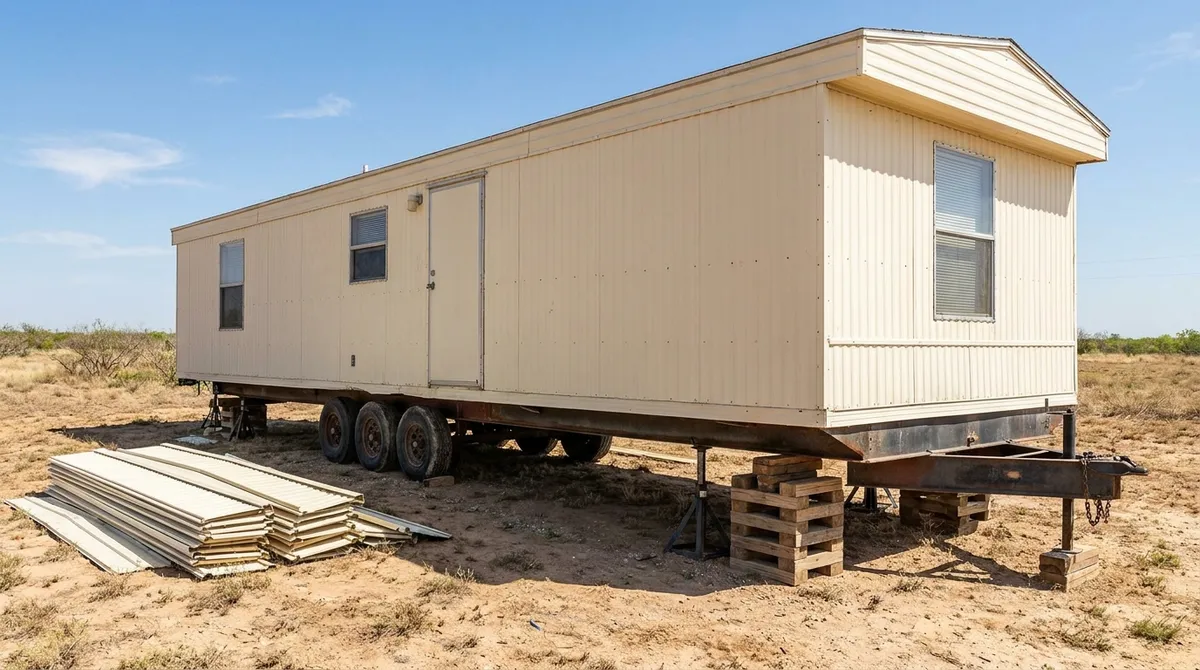
Get the mover lined up early, because not every mover will take every home. Some won't move older homes. When we're the buyer, we arrange the move with licensed movers and you don't pay the mover, though the cost of the move is counted in our offer. If someone else is buying, we can refer licensed movers. Questions like one seller's "Would rain impact move?", or whether the home will fit through a narrow gate, come up too, and we check on them for you.
The shed, the carport and anything else on the lot
Whatever is sitting on the lot besides the home, like a shed or a carport, can hold up the move if nobody has decided who gets it. The park may see it differently from you: in the example below, one park claimed both the shed and the carport. Settle it with the park and with your buyer before the move date is set, rather than on moving day.
Our guide to moving a mobile home covers the move itself, from permits to setup at the new site.
Selling a home that has to leave the park?
Tell us about the home and what the park has asked for. We'll tell you what we could offer, and when we're the buyer, we handle the move with licensed movers.
Get My Cash OfferPrices, fees and park rules change over time. This article is for general education only. We aren't lawyers, accountants or financial advisors, and nothing here is legal, tax or financial advice of any kind.